Rohit Kumar
Sri Vijaya Puram, 22 March 2025
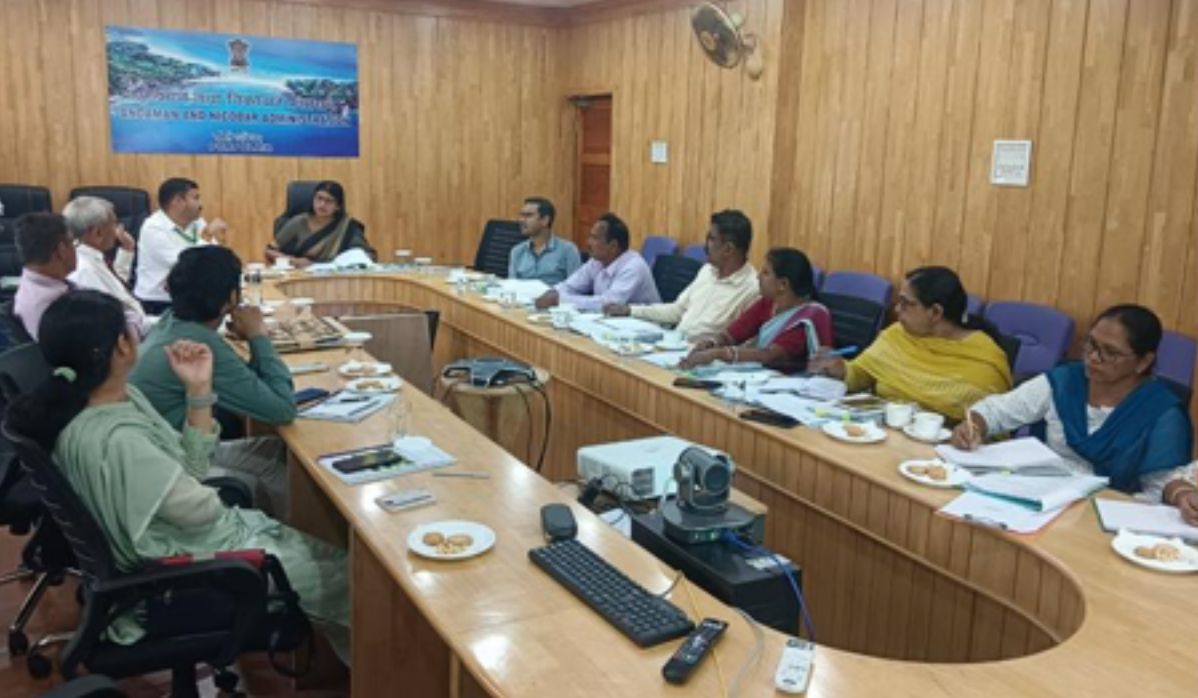
The Union Territory (UT) Seed Sub-Committee for Agricultural and Horticultural Crops convened an important assembly on March 20, 2025, below the chairmanship of Ms. Pallavi Sarkar, IAS, Secretary (Agriculture), A&N Administration, on the Secretariat. The assembly targeted on contemplating the discharge of 18 new types of crops developed by the Central Island Agricultural Research Institute (CIARI) for cultivation within the islands.
The varieties proposed for consideration embody:
- Rice: 6 varieties
- Green Gram: 5 varieties
- Black Gram: 2 varieties
- Brinjal: 2 varieties
- Malabar Tamarind: 2 varieties
- Indian Bay Leaf: 1 selection
The introduction of those new varieties goals to reinforce agricultural productiveness throughout the islands, with particular traits similar to illness resistance, greater yield, and flexibility to native situations. The committee emphasised that these enhancements may considerably profit native farmers by growing output and lowering losses resulting from pests and ailments.
Dr. Dilip Kumar Srivastava, Deputy Commissioner (Seeds-QC) and Co-convenor of the UT Seed Sub-Committee, joined the assembly in hybrid mode. He highlighted issues concerning the heavy reliance of native farmers on seeds procured from the mainland, emphasizing the necessity to promote domestically produced seeds. Dr. Srivastava careworn that domestically sourced seeds wouldn’t solely scale back dependency on imports but additionally guarantee higher accessibility and availability for island farmers.
He additionally raised issues concerning the provision of breeder seeds, that are important for producing high-quality seeds. Ensuring a gentle provide of breeder seeds could be essential in sustaining the manufacturing of superior seed varieties domestically.
A big spotlight of the assembly was the proposal to launch the Indian Bay Leaf selection, Dweep Tej-1. If authorized, Dweep Tej-1 will change into the primary formally acknowledged number of Indian Bay Leaf within the UT, marking a milestone in its cultivation. The Indian Bay Leaf, broadly utilized in culinary preparations and valued for its medicinal properties, enjoys excessive native demand, particularly from the hospitality trade.
Ms. Pallavi Sarkar underscored the export potential of Malabar Tamarind and Indian Bay Leaf varieties. If efficiently cultivated and launched on a big scale, these varieties may open avenues for vital export alternatives, boosting the earnings of native farmers and contributing to the UT’s economic system. Their distinctive traits and rising demand in home and worldwide markets place them as invaluable export commodities.
The assembly witnessed energetic participation from members of the Seed Committee, seed producers, merchants, and farmers. Their insights and solutions added worth to the dialogue, making certain that the proposed varieties align with the sensible necessities of the farming neighborhood within the islands.
With the potential approval of those new varieties, the UT is about to witness a transformative part in its agricultural sector, paving the way in which for elevated self-reliance, greater productiveness, and new export alternatives. (Story Based on PR)