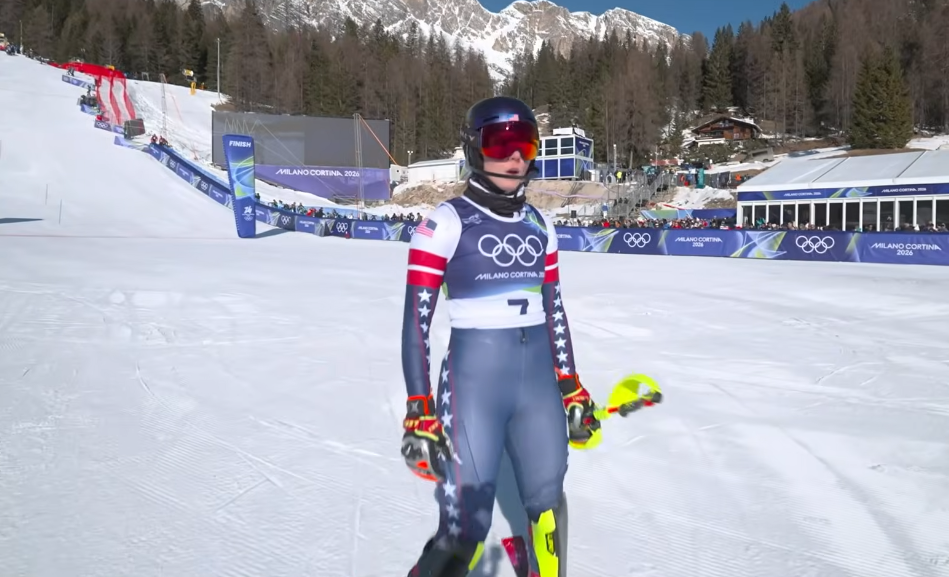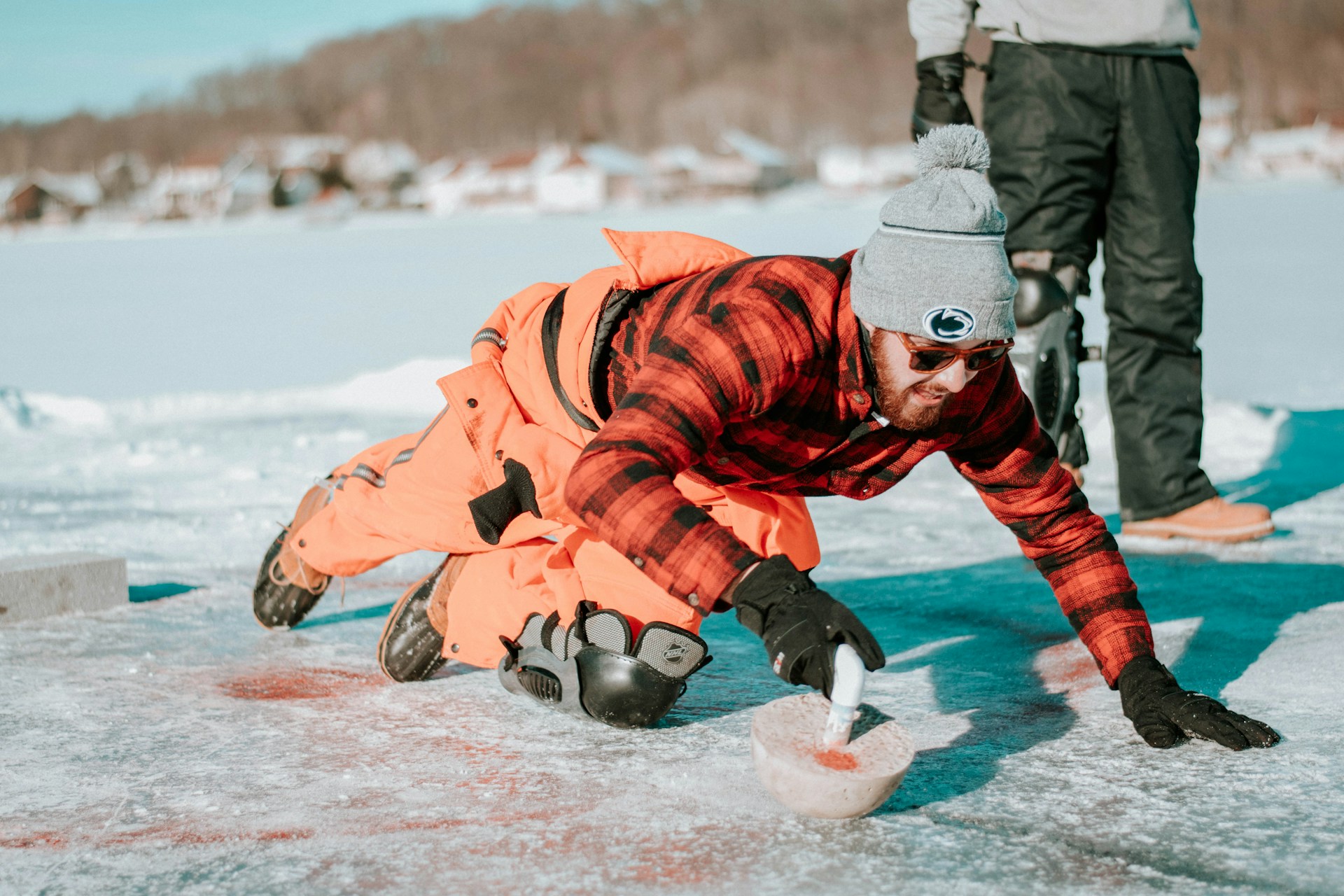
Olympic curling is a sport that’s hardly ever featured in mainstream sports activities occasions. At first, it appears to be like like somebody is simply scraping the ice, however there’s greater than that. That being stated, it grew to become generally referred to as “chess on ice” because it makes use of teamwork, technique, and precision.
Just like another sport, it’s essential grasp every participant’s position, photographs, and methods to deeply respect the tactical depth of curling.
Objectives of Olympic Curling
The principal purpose in curling is to outscore your opponent by delivering stones into the home whereas stopping the opposite crew from scoring.
- Each crew has eight stones per finish—5 in combined doubles, plus a pre-placed stone.
- Matches are performed over ten ends in normal curling (eight in combined doubles).
- Teams strategically management the scoring space to maximise factors and reduce opponent alternatives.
Team Roles
A typical curling crew has 4 principal positions:
- Lead: Opens every finish with draw or guard photographs; excels at sweeping.
- Second: Throws the third and fourth stones, maintains home management, and sweeps.
- Third/Vice Skip: Throws the sixth and seventh stones, advises on technique.
- Skip: Team captain who calls photographs and delivers the ultimate stones to show ends of their favor.
Key Shots and Strategic Techniques
Curling technique facilities on deciding on the suitable shot on the proper second. Common photographs embody:
- Draw: Stops inside or in entrance of the home to attain factors.
- Freeze: A exact draw that stops in entrance of one other stone.
- Guard: Blocks opponents from eradicating stones in the home.
- Hit-and-Roll: Removes an opponent’s stone whereas repositioning your individual.
- Peel: Eliminates each the goal stone and the thrown stone.
- Raise & Takeout: Moves stones into scoring positions or removes a number of opponents’ stones.
Curlers additionally select between in-turns and out-turns to manage stone curl:
- Out-turns: Curve proper to left.
- In-turns: Curve left to proper.
Strong communication and coordination are important for executing photographs, sweeping, and managing ice situations successfully.
Communication and Team Coordination
Success in curling depends on clear, concise communication:
- Players use numeric techniques to point stone placement.
- Calls for sweeping depth and timing are made in real-time.
- Trust within the skip’s judgment ensures precision and maximizes scoring potential.
Sweeping and Ice Adaptation
Sweeping instantly impacts stone velocity and course. Key methods embody:
- Press Sweeping: Uses physique weight to extend stone distance effectively.
- Directional Sweeping: Adjusts trajectory by sweeping on the within or outdoors of the stone’s curl.
Curlers should adapt to various ice situations:
- Fast ice: Requires lighter throws.
- Swingy ice: Demands angle changes and variable sweeping depth.
Mixed Doubles Strategy and the Hammer
Mixed doubles curling has distinctive guidelines:
- Fewer ends and pre-positioned stones.
- Power play choices to create scoring alternatives.
- The hammer, the final shot in an finish, provides strategic management, permitting groups to clean ends or maximize scoring.
- Teams with out the hammer use guards to dam opponents’ probabilities.
After studying this, you may understand that Olympic curling is way over sliding stones on ice. You must be adaptive on ice and memorize the totally different methods you’ll be able to incorporate along with your crew. It all boils right down to the precision and tactical pondering that you’ll pull off, particularly throughout essential moments.
© Copyright 2026 Sports World News, All rights reserved. Do not reproduce with out permission.