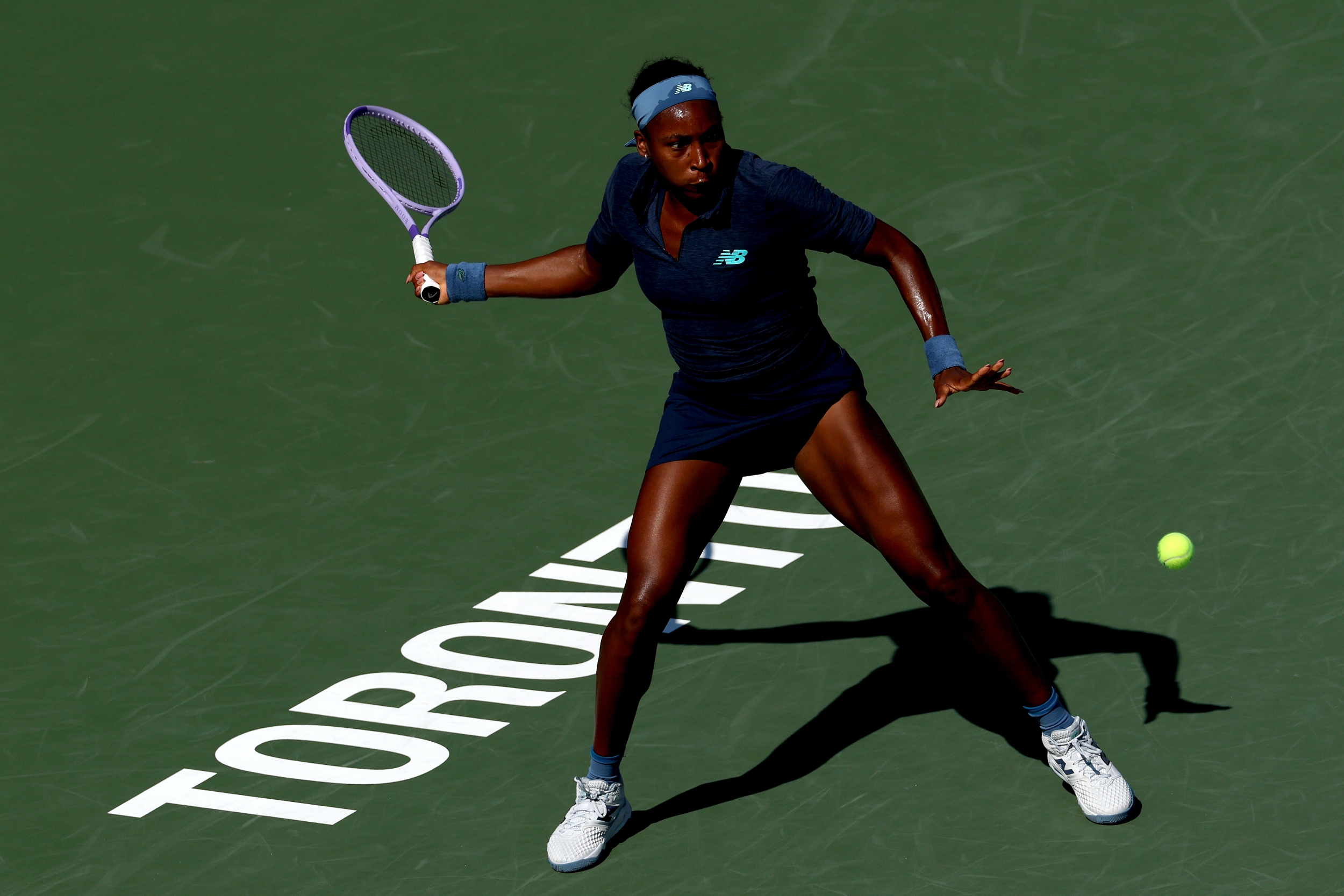
Coco Gauff, Aryna Sabalenka and Jessica Pegula provided totally different views on the WTA’s new Women’s Eligibility Policy, with Gauff elevating issues about communication and the broader dialogue surrounding the problem, Sabalenka strongly supporting the change and Pegula saying she had little objection to the brand new requirement.
The feedback got here after the WTA launched a coverage requiring a one-time SRY screening for gamers competing within the girls’s class.
The WTA stated its Women’s Eligibility Policy is meant to protect the integrity of ladies’s skilled tennis whereas sustaining honest competitors circumstances. The coverage requires gamers competing within the girls’s class to display eligibility by SRY screening, which can contain a saliva pattern, cheek swab or blood pattern.
The change comes as worldwide sports activities organizations proceed revising eligibility insurance policies for girls’s classes. The International Olympic Committee introduced in 2026 that its Policy on the Protection of the Female (Women’s) Category in Olympic Sport would apply starting with the 2028 Los Angeles Olympics and contains SRY screening as a part of its eligibility course of for the feminine class.
At the National Bank Open in Toronto, a number of of the WTA Tour’s highest-profile gamers mentioned the coverage following its announcement.
Gauff stated she understood the reasoning behind the WTA’s choice however questioned how the group communicated the coverage to gamers and expressed concern in regards to the broader dialogue surrounding transgender athletes.
“I know it’s been something that’s been talked about a while, but I’ve talked to a couple other players and a lot of them didn’t find out until the press release,” Gauff stated. “So, I do think that’s something that could have been more transparent amongst players across the tour.”
Gauff stated she acknowledged the significance of sustaining equity in girls’s sports activities whereas additionally expressing concern in regards to the broader influence of the dialog.
“I understand the reasoning behind it,” Gauff stated. “I also understand the need to preserve that.”
She added: “I definitely support the trans community, but I also support the need of creating fairness in sport too.”
Sabalenka provided the strongest help for the coverage among the many gamers who commented, saying she believed the change was necessary for sustaining aggressive equity on the WTA Tour.
“I think it’s really important to keep the fairness in our tour,” Sabalenka stated. “It’s obviously, biologically, the men are way stronger than women, so I feel like it would be not really fair for the woman to compete against biological man.”
Sabalenka stated she supported the WTA’s choice and would don’t have any challenge finishing the required screening herself.
“If they want to test us all, I’m happy to do that,” Sabalenka stated. “It’s pretty fair and let’s keep it that way.”
Pegula stated she didn’t have main objections to the coverage and considered the change as a part of a broader development amongst sports activities organizations.
“I think the WTA just wanted to update their policy based on what they’ve seen from other sporting organizations,” Pegula stated. “So far, at least from my point of view, I don’t really have any pushback on it.”
Pegula, who has been concerned in participant management, stated she had not heard important issues from different gamers earlier than the announcement.
“I haven’t heard even being on council no players have really mentioned or said anything about it,” Pegula stated.
Rybakina provided a extra reserved response, saying she would comply with the WTA’s requirement however questioning whether or not the extra screening was essential.
“I won’t say it’s unnecessary, but I think it was without this test also fine,” Rybakina stated. “But if we need to do it, we will do it.”
Why It Matters
The feedback from among the WTA’s greatest stars present other ways elite gamers are approaching the coverage change.
Sabalenka emphasised aggressive equity and help for the brand new eligibility requirement. Gauff targeted on balancing equity in sport with issues about communication and the broader influence of the dialogue. Pegula expressed acceptance of the coverage whereas offering perception into whether or not gamers had raised issues internally. Rybakina questioned whether or not the extra screening was wanted whereas saying she would comply with the rule.
The reactions present an early have a look at how among the tour’s high gamers view the change, however they don’t symbolize a whole image of participant opinion throughout the WTA.
As the coverage strikes towards implementation, dialogue is more likely to proceed round eligibility guidelines, transparency, privateness and the way sports activities organizations deal with delicate points.
© Copyright 2026 Sports World News, All rights reserved. Do not reproduce with out permission.